Some places tell their stories in museums. Yorktown tells its story in the wind. Out on the York River—under sail, with the shoreline unfolding like a living diorama—you see history the way the people who lived it once saw it. The river becomes a timeline, the breeze a narrator, and the water itself a witness to centuries of conflict, commerce, and quiet resilience. Sailing here isn’t just recreation. It’s immersion.
For visitors who want to understand Yorktown not as a static historic site but as a living landscape, there is no better vantage point than the deck of a sailboat.
The River That Decided a Revolution
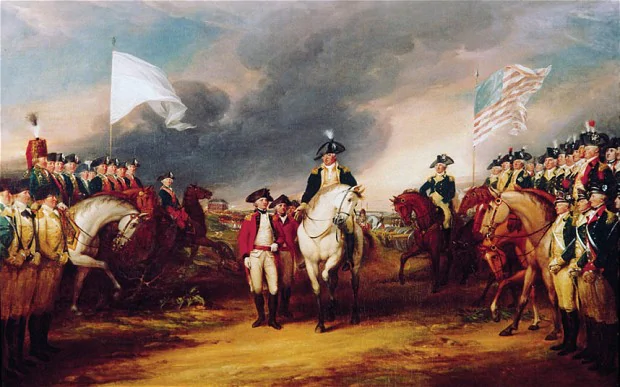
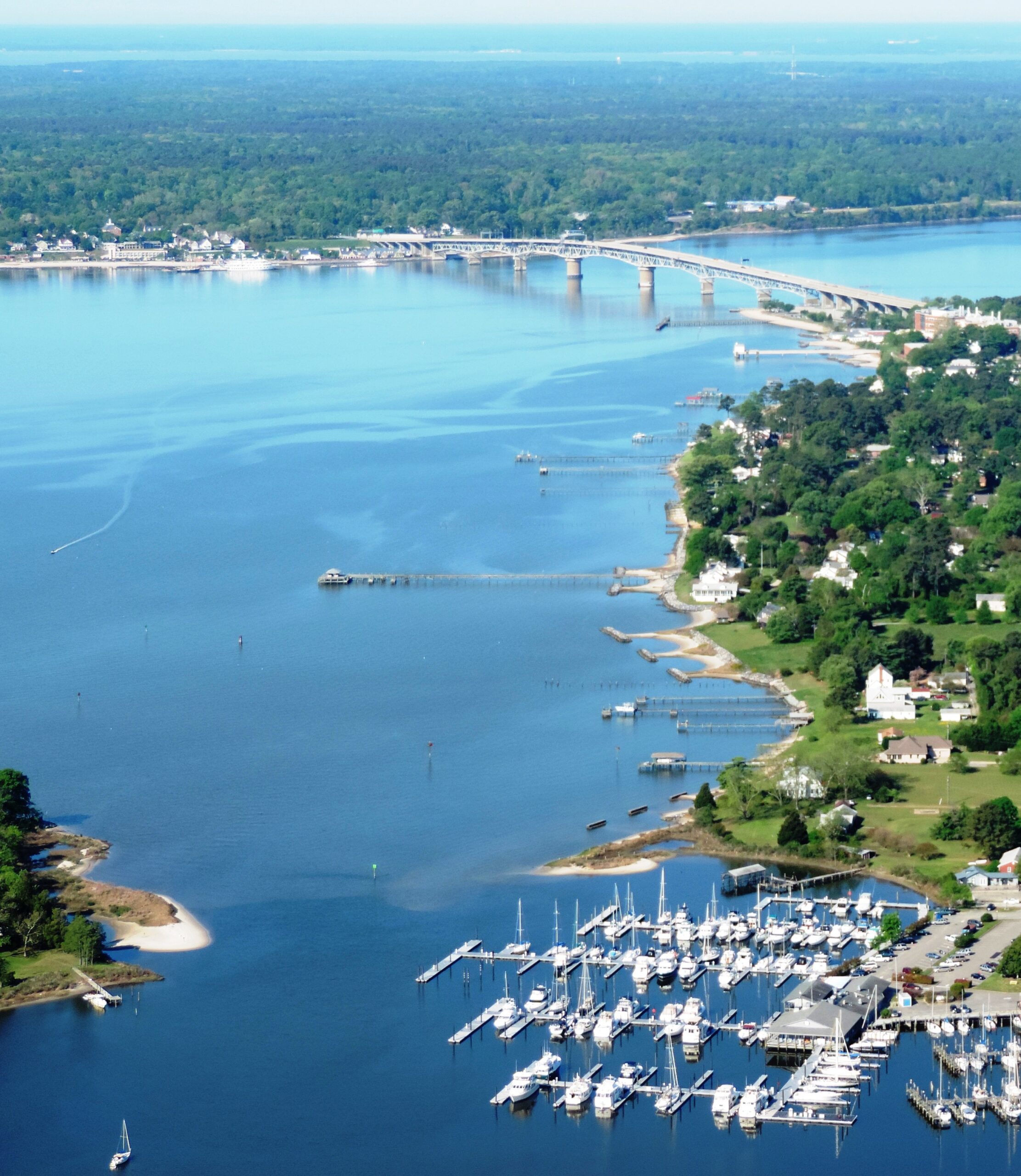
 The York River looks peaceful today, but in 1781 it was the hinge on which the American Revolution turned. From the water, the geography becomes obvious in a way maps never quite capture. You can see why General Cornwallis chose Yorktown as his base: high bluffs, deep water, and a commanding position over the river’s narrows. You can also see why it became his undoing.
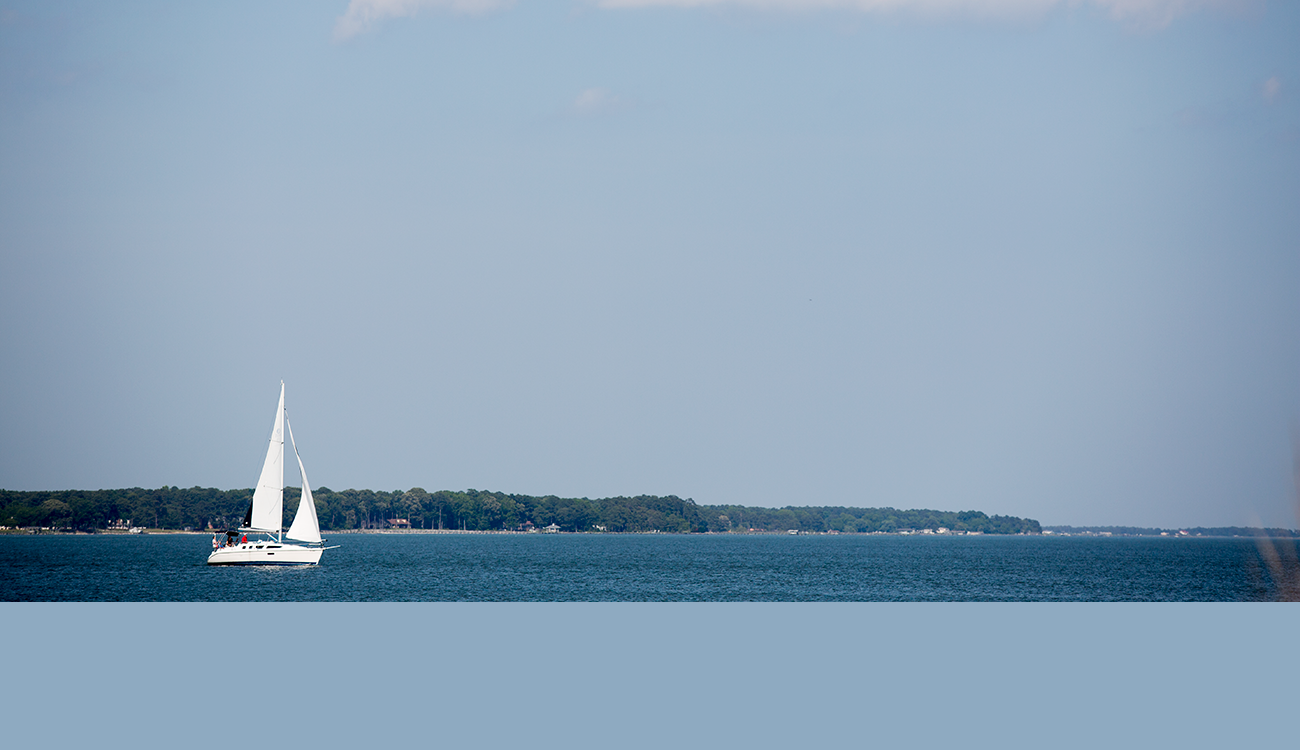
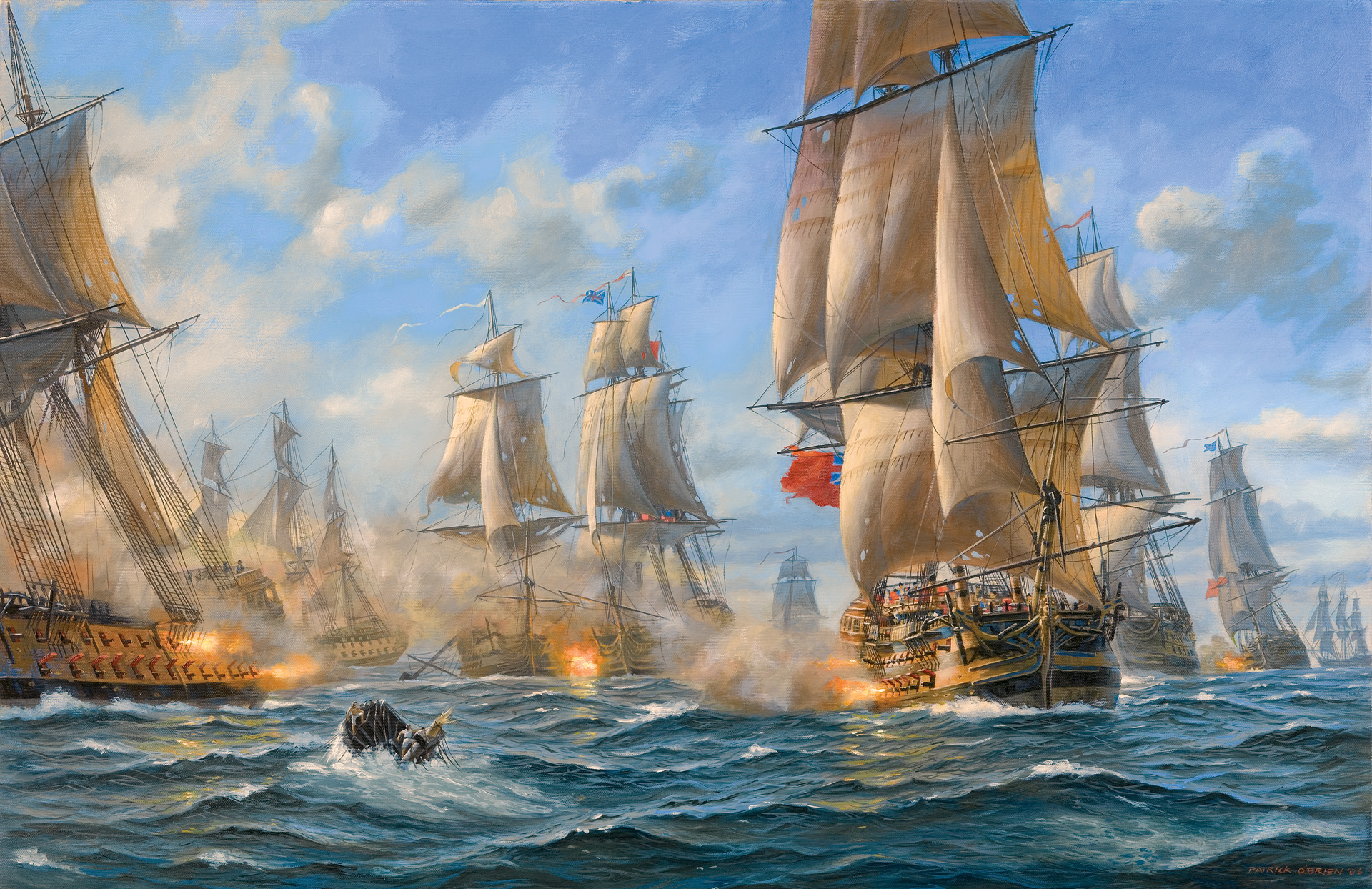
Sailing past the Yorktown waterfront, you’re tracing the same waters where the French fleet under Admiral de Grasse anchored, sealing off Cornwallis’ escape route. The Battle of the Capes—fought at the mouth of the Chesapeake—was the naval victory that made the Yorktown siege possible. Without control of the water, the British army was trapped. Without the river, the Revolution might have dragged on for years.
From a sailboat, the logic of the battlefield becomes clear. The river is not a backdrop to the story—it is the story.
The Bluffs, the Batteries and the Lines of Fire
As you glide along the shoreline, the Yorktown bluffs rise like natural fortifications. These heights once bristled with British artillery. The American and French siege lines crept steadily toward them, digging trenches for 160 cannon.
The River That Decided a Revolution
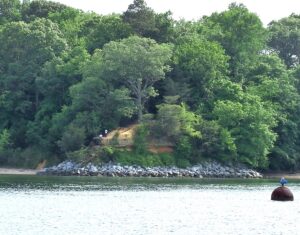 The York River looks peaceful today, but in 1781 it was the hinge on which the American Revolution turned. From the water, the geography becomes obvious in a way maps never quite capture. You can see why General Cornwallis chose Yorktown as his base: high bluffs, deep water, and a commanding position over the river’s narrows. You can also see why it became his undoing.
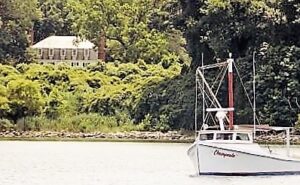
Sailing past the Yorktown waterfront, you’re tracing the same waters where the French fleet under Admiral de Grasse anchored, sealing off Cornwallis’ escape route. The Battle of the Capes—fought at the mouth of the Chesapeake—was the naval victory that made the Yorktown siege possible. Without control of the water, the British army was trapped. Without the river, the Revolution might have dragged on for years.
From a sailboat, the logic of the battlefield becomes clear. The river is not a backdrop to the story—it is the story.
The Bluffs, the Batteries and the Lines of Fire
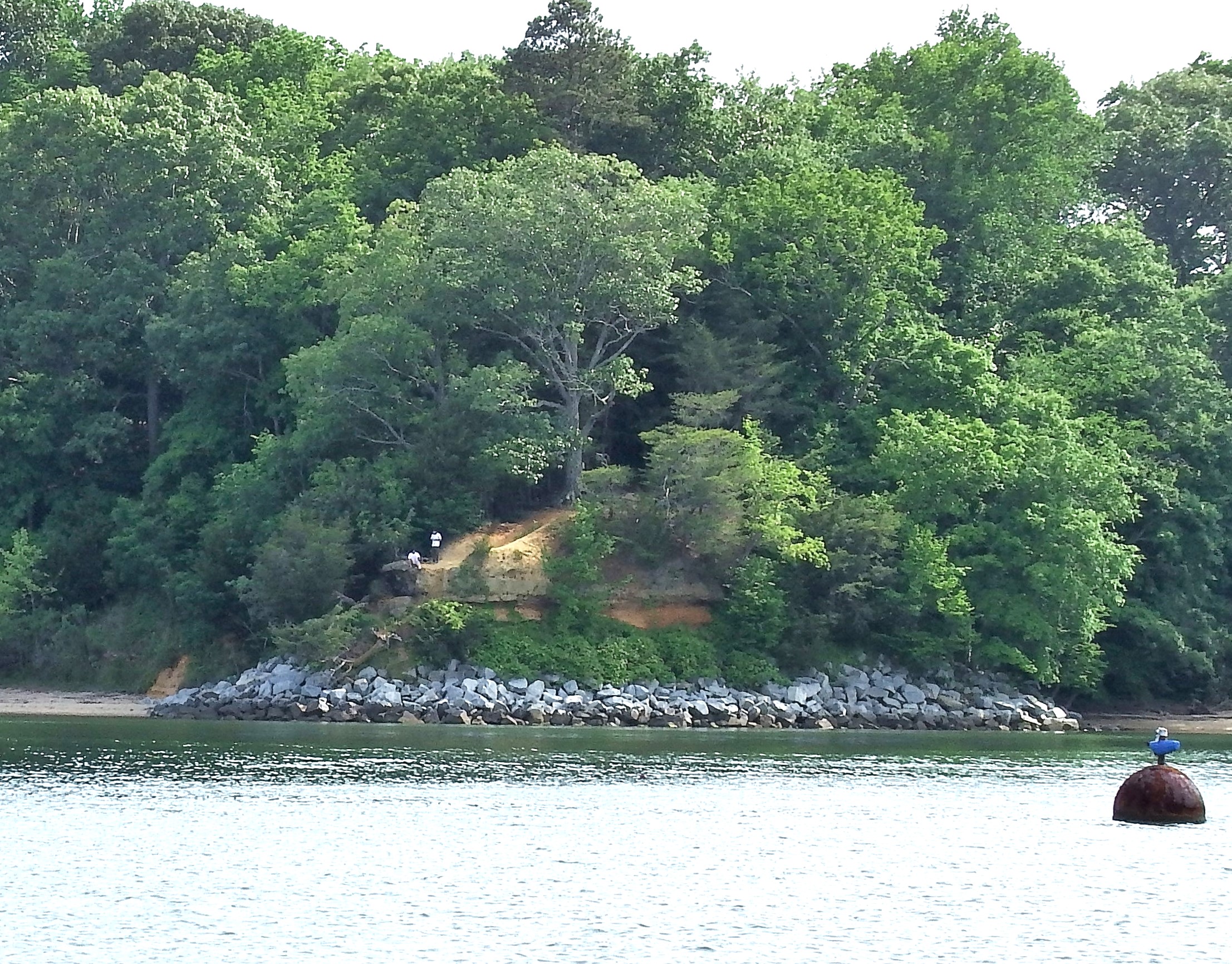
 As you glide along the shoreline, the Yorktown bluffs rise like natural fortifications. These heights once bristled with British artillery. The American and French siege lines crept steadily toward them, digging zigzag trenches under cover of night. From the water, you can visualize the angles of fire, the distances between positions, and the way the river shaped every tactical decision.
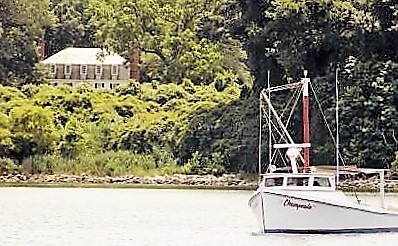
The famous Redoubts 9 and 10—stormed by Alexander Hamilton’s and the French Chasseurs’ nighttime assaults—sit just inland from the river’s edge. When you’re under sail, the proximity is striking. The battlefield feels close enough to touch.
This is the rare kind of history you don’t just learn—you feel it.
Yorktown After the Revolution: A Port Reborn
Long after the cannons fell silent, the York River remained a working waterway. In the 19th century, schooners, sloops, and steamers carried tobacco, grain, oysters, and timber to markets up and down the coast. The river was a highway before highways existed.
Sailing today, you can still sense the rhythm of that maritime life. The channel markers trace the old shipping lanes. The river bends the same way it did when watermen hauled their catch aboard deadrise boats and farmers loaded barrels onto wharves. Even the tides echo the routines of the past—flood, ebb, repeat.
Yorktown’s waterfront has changed, but the river’s working character remains. You’re not just looking at history; you’re moving through the same space that sustained generations.
Civil War Echoes on a Quiet River
The York River saw conflict again during the Civil War, when Union forces used it as a supply route during the Peninsula Campaign. Gunboats patrolled these waters. Troops marched along these shores. The river became a strategic artery once more.
From a sailboat, the Civil War layer of Yorktown’s story becomes visible in subtle ways: the shape of the land, the placement of old earthworks, the narrowness of the river’s upper reaches. The York has always been a prize worth holding.
Lighthouses, Legends and the Maritime Landscape
Sailing eastward, the river widens toward the Chesapeake Bay. Here the maritime character deepens. You pass the site of the old York Spit Light, a screw‑pile lighthouse that once guarded the channel. Its replacement, a modern beacon, still flashes over the water, guiding vessels just as its predecessor did for more than a century.
The river is full of stories like this—lost lights, vanished wharves, forgotten ferries. Sailing gives you the time and space to absorb them. The wind slows the world down just enough for the past to catch up.
Wildlife as a Window into the Past
History isn’t only human. The York River’s natural life tells its own story of continuity and change. Ospreys wheel overhead, building nests on channel markers just as they have for generations. Dolphins surface in the warmer months, following the same fish runs that sustained Native peoples long before Europeans arrived.
When you’re under sail, these encounters feel intimate. The engine is silent. The boat moves with the wind. You become part of the landscape rather than an observer of it. The wildlife becomes another thread in the river’s long narrative.
Why Sailing Reveals What Land Cannot
Yorktown is a place where land and water are inseparable. The battlefield, the town, the bluffs, the bay—they all make sense only when you see how the river ties them together. Sailing gives you:
-
Perspective — You see the geography that shaped decisions.
-
Continuity — You follow the same routes used for centuries.
-
Immersion — The wind, tide, and shoreline create a sensory experience no museum can match.
-
Stillness — Without an engine, the river speaks.
It’s not just sightseeing. It’s understanding.
A Living Story, Best Told Under Sail
Yorktown’s history is not confined to plaques or park boundaries. It’s written in the contours of the river, the shape of the shoreline, and the steady pull of the tide. When you sail these waters, you’re not just learning about the past—you’re stepping into it.
The York River has carried warriors, merchants, fishermen, explorers, and everyday families. Today, it carries you. And as the sails fill and the boat heels gently into the breeze, you realize something simple and profound:
This is history you can still see, still feel, and still sail.