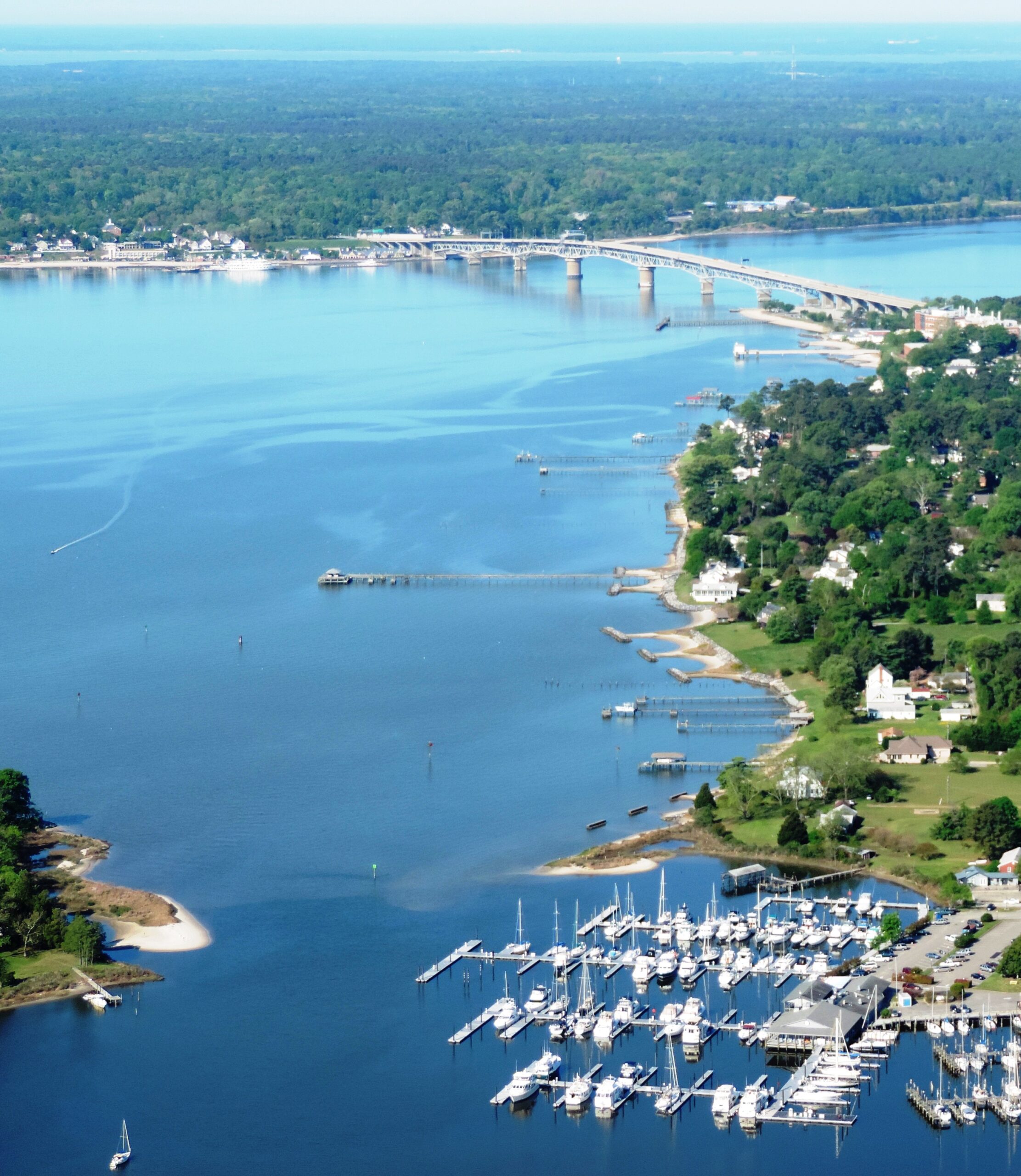
The York River is one of the most rewarding and underestimated sailing waters in coastal Virginia. Stretching 34 miles from the Chesapeake Bay to the historic town of West Point, it offers a rare combination of deep water, steady breezes, open fetch, and rich maritime history. Whether you’re a visiting sailor, a new charter guest, or a seasoned local looking to sharpen your understanding of the river’s rhythms, this guide breaks down the three forces that shape every sail on the York: winds, tides, and seasons.
Winds: Daily and Seasonal Patterns
The Daily Rhythm
The York River follows a classic coastal Virginia wind pattern:
-
Light mornings
-
Building afternoon sea breeze
-
Softening near sunset
In the early hours, winds often sit between 3–6 mph, especially in spring and summer. By early afternoon, the river typically sees 7–12 mph, with the strongest and most reliable breeze between 3 PM and 7 PM. This is the sweet spot for most charters—enough wind to heel, accelerate, and give guests the full sailing experience without pushing into heavy‑air territory.
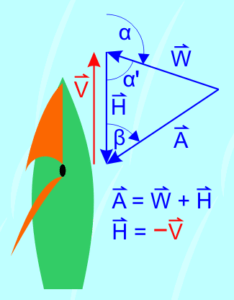 Wind Directions You’ll See Most

-
South and Southwest dominate from late spring through early fall. These winds funnel up the river from the Bay, creating long, clean fetch and excellent sailing conditions.
-
Northwest winds arrive behind cold fronts in fall and winter. They can be brisk, dry, and gusty—great for experienced sailors, but often too sharp for casual guests.
-
East and Northeast winds are less common but bring moisture and unsettled weather. These winds can stack up waves at the mouth of the river and create choppy conditions near Yorktown and Goodwin Neck.
Local Wind Quirks
The York River has its own micro‑behaviors that experienced captains learn to anticipate:
-
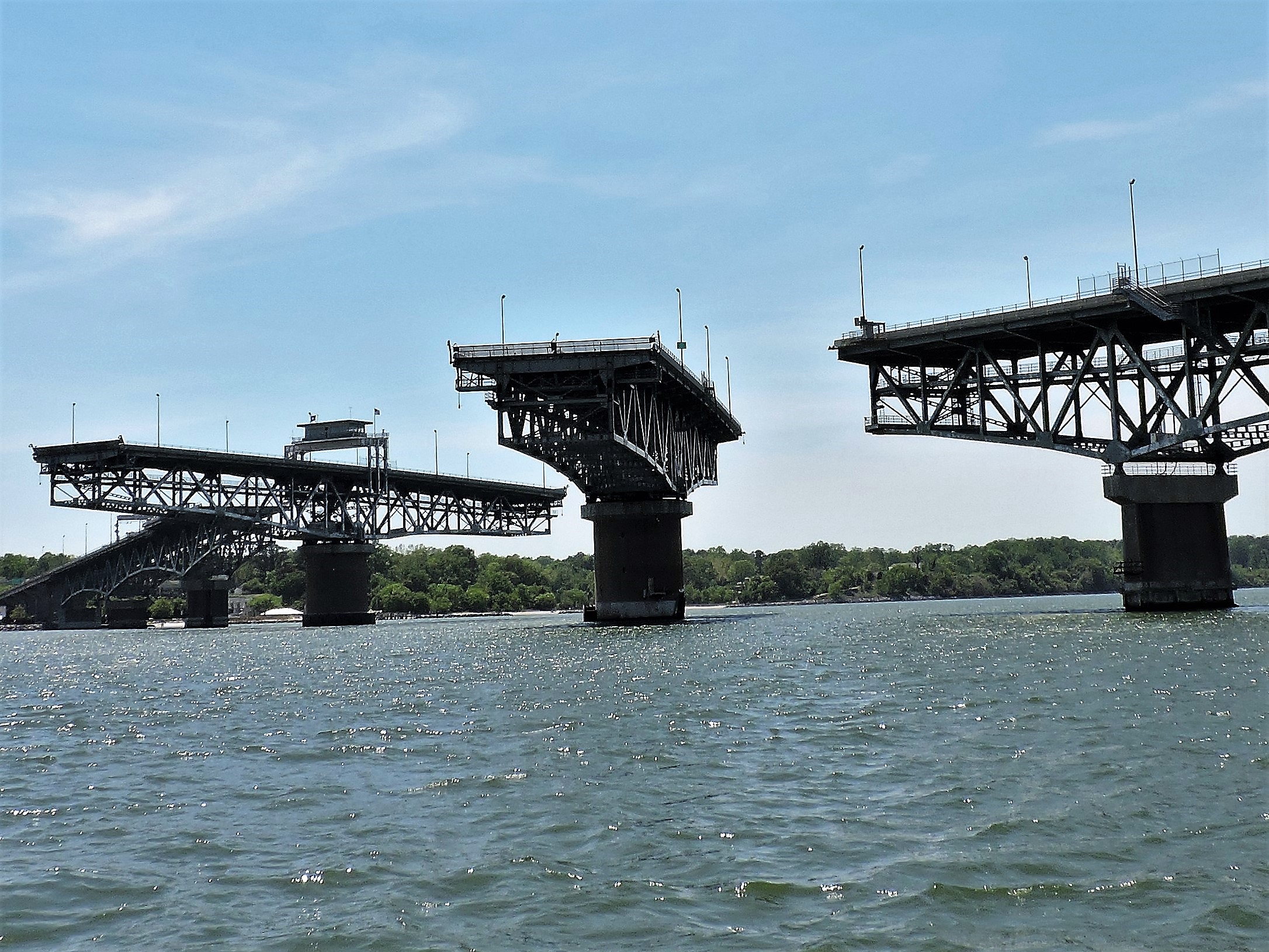
The Coleman Bridge Venturi Effect: When the wind aligns with the bridge, the river narrows and accelerates the breeze. Expect a noticeable bump in wind speed as you pass under.
-
Goodwin Neck Bend: The river curves here, and the shoreline can create temporary wind shadows or sudden shifts.
-
Evening SSW Pulse: On warm days, the sea breeze often strengthens just before sunset, giving late‑day sails a surprising second wind.
Tides: The Hidden Engine Beneath Your Keel
The York River’s tides are semi‑diurnal, meaning two highs and two lows each day. While the tidal range is modest—typically 2 to 3 feet—the current can be a major factor, especially near constrictions like the Coleman Bridge.
Tidal Currents
-
Flood (incoming) runs westward, toward West Point.
-
Ebb (outgoing) runs eastward, toward the Chesapeake Bay.
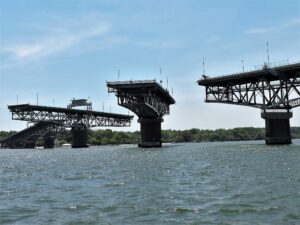 Near the bridge, currents can reach 1.5 to 2 knots, enough to noticeably affect boat speed and tacking angles. For sailors, this means:
-
Upwind + Ebb = Slower progress
-
Downwind + Ebb = Fast, smooth ride
-
Crossing the channel = Adjust for sideways set
Where Tides Matter Most
-
Coleman Bridge: Strongest currents, especially during spring tides.
-
Yorktown to Gloucester Point: Wide channel but still influenced by tidal flow.
-
Mouth of the River: Tides interact with Bay swell, creating confused chop during strong NE winds.
Tidal Strategy for Sailors
-
Plan your tacks: When beating upwind against the ebb, stay in shallower water where the current is weaker.
-
Use the flood: A westward flood can give you a free push upriver.
-
Watch the wind-against-tide combo: This can create short, steep waves—especially near the mouth.
Seasons: How the York River Changes Throughout the Year
Spring (March–May)
Spring is a transitional season with variable winds. Early spring brings brisk NW breezes and cool water, while late spring introduces the first reliable SSW sea breezes. Wildlife activity increases, and dolphins begin returning to the river. Water temperatures rise from the 50s into the 60s and 70s, making conditions more comfortable for guests.
Best for: Active sailing, crisp air, long tacks, photography.
Summer (June–August)
 Summer is the York River’s most predictable season. The SSW sea breeze machine turns on nearly every afternoon, delivering 8–12 mph winds that are ideal for charters. Mornings can be glassy, but by mid‑afternoon the river comes alive. Water temperatures reach the 80s, and dolphin sightings peak.
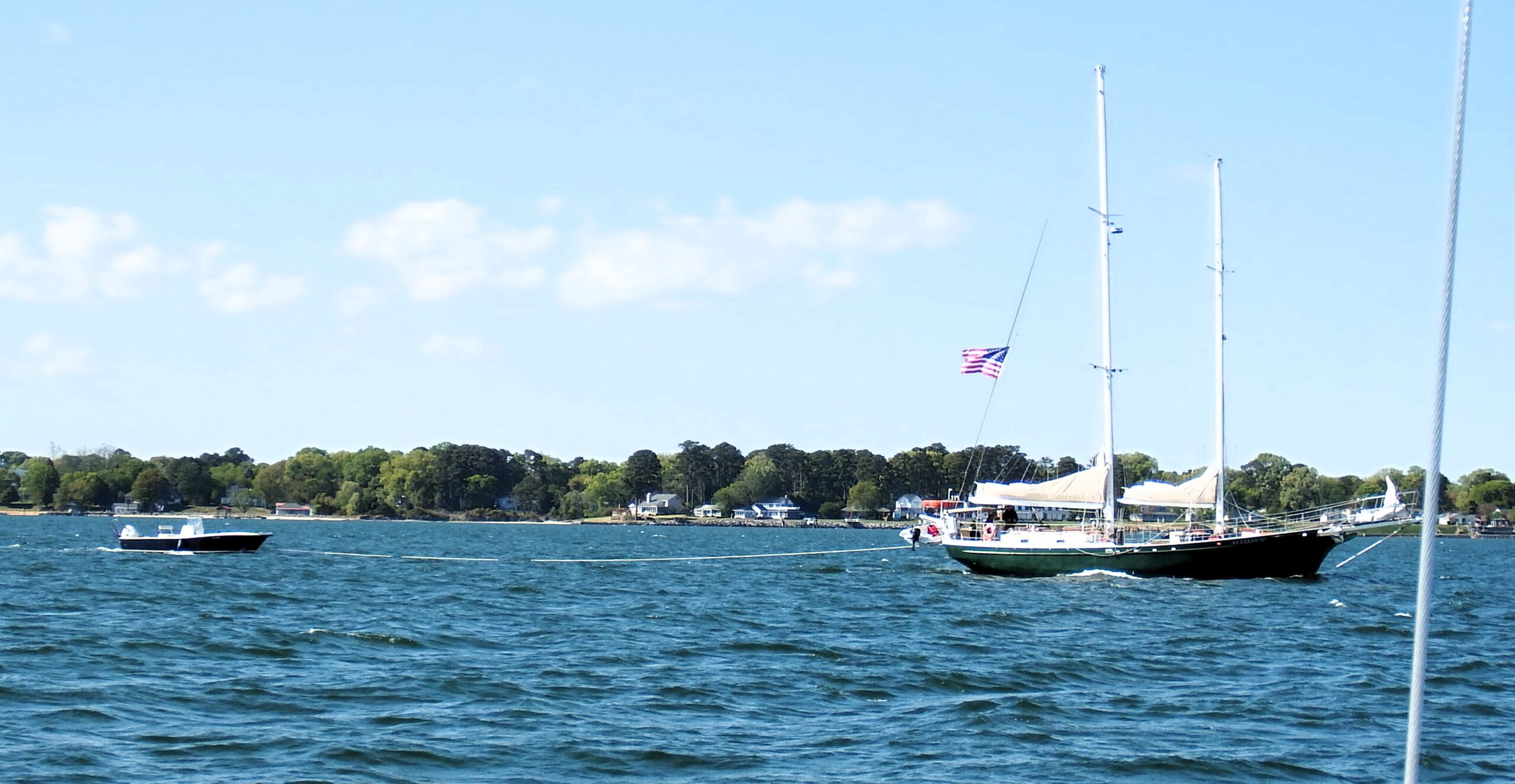
Best for: Family sails, sunset cruises, warm steady breezes.
Fall (September–November)
Fall is arguably the finest sailing season. The humidity drops, visibility improves, and the winds become more consistent. Early fall still benefits from the sea breeze, while late fall brings stronger NW winds. The river is quieter, and the sunsets are spectacular.
Best for: Performance sailing, photography, comfortable temperatures.
Winter (December–February)
Winter sailing on the York River is for the dedicated. Winds are strong and often gusty, water temperatures drop into the 40s, and weather systems move quickly. Still, on clear days with stable NW winds, the river can offer exhilarating sailing with empty waters and sharp visibility.
Best for: Experienced sailors seeking challenge and solitude.
Putting It All Together: How to Read the York River Like a Local
To sail the York River well, think of it as a living system with three interacting forces:
-
Wind gives you power.
-
Tide gives you resistance or assistance.
-
Season sets the overall tone—temperature, wildlife, and wind reliability.
A perfect York River sail usually includes:
-
A late‑afternoon SSW breeze
-
A gentle ebb tide
-
Clear skies and warm water
-
Open fetch between Goodwin Neck and the bridge
-
A few dolphins riding the bow wave
When these elements line up, the York River becomes one of the most enjoyable and accessible sailing grounds on the East Coast.
Plan the perfect York River sail with this guide to local winds, tides, and seasonal conditions. Ideal for visitors, sailors, and charter guests.
-
Featured Image Alt Text
Sailboat on the York River near Yorktown during afternoon sea breeze
-
Intro Paragraph
The York River is one of coastal Virginia’s most reliable and rewarding sailing grounds. With steady winds, predictable tides, and distinct seasonal patterns, it offers ideal conditions for both new and experienced sailors. This guide breaks down the three forces that shape every sail on the York River: winds, tides, and seasons.
-
Quick Facts Box
York River Sailing at a Glance
-
Best wind: SSW sea breeze, 8–12 mph (May–September)
-
Strongest currents: Near Coleman Bridge (up to 2 knots)
-
Best season: Fall for performance; Summer for steady breezes
-
Tidal range: 2–3 feet, semi‑diurnal
-
Wildlife: Frequent dolphin sightings June–September
-
Section: Winds on the York River
Daily Wind Pattern
-
Light mornings (3–6 mph)
-
Building afternoon sea breeze (7–12 mph)
-
Softening near sunset
Prevailing Wind Directions
-
South/Southwest: Dominant May–September
-
Northwest: Strong post‑front winds in fall/winter
-
East/Northeast: Less