Virginia’s Tidewater region is one of the most welcoming places in America for new sailors. With its broad, protected rivers, steady seasonal winds, and deep maritime heritage, the area offers a forgiving learning environment wrapped in natural beauty. From the York and James Rivers to Mobjack Bay and the sheltered creeks of the Middle Peninsula, Tidewater gives beginners room to grow skills without the stress of open‑ocean conditions. If you’re just getting started—or thinking about taking your first lesson—this guide will help you understand what makes the region special and how to begin your sailing journey with confidence.
Why Tidewater Is Ideal for Beginners
The Tidewater region is defined by water: rivers, estuaries, marshes, and the Chesapeake Bay. For new sailors, this geography creates several advantages.
-
Protected Waters: Unlike the Atlantic coast, Tidewater’s rivers and bays are naturally sheltered. The York River, for example, offers wide open reaches with minimal fetch, meaning waves stay manageable even when the breeze freshens. Beginners can focus on sail trim, steering, and boat handling without battling heavy seas.
-
Predictable Seasonal Winds: Spring and fall bring steady 8–15 knot breezes—perfect training conditions. Summer mornings are calm, ideal for introductory lessons, while afternoon sea breezes offer a gentle challenge. Winter winds are stronger and gustier, but for most beginners, the prime season runs April through October.
-
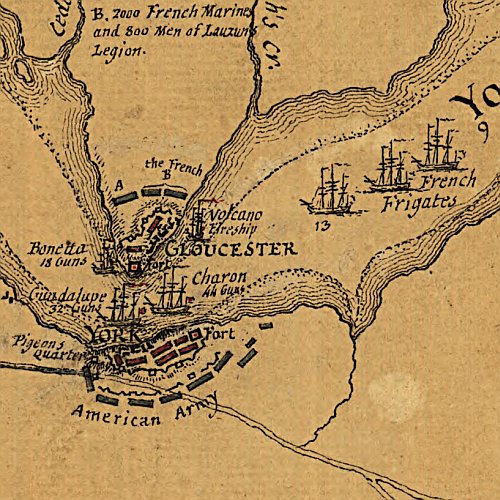
Deep Maritime History: Learning to sail here means joining a tradition stretching back four centuries. From colonial trading vessels to Revolutionary War fleets and modern naval operations, Tidewater has always been a place where people learned to work with the wind. That sense of continuity adds richness to every outing.
Where to Learn: Key Tidewater Sailing Hubs
While the entire region is dotted with marinas and sailing schools, a few areas stand out for beginners.
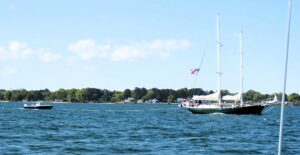 Yorktown & the York River: The York River is one of the best training grounds on the East Coast. Wide, deep, and relatively uncrowded, it offers consistent breezes and plenty of room to practice tacks, jibes, and points of sail. Yorktown’s waterfront provides easy access, and the river’s mix of open water and protected coves lets new sailors progress at their own pace.
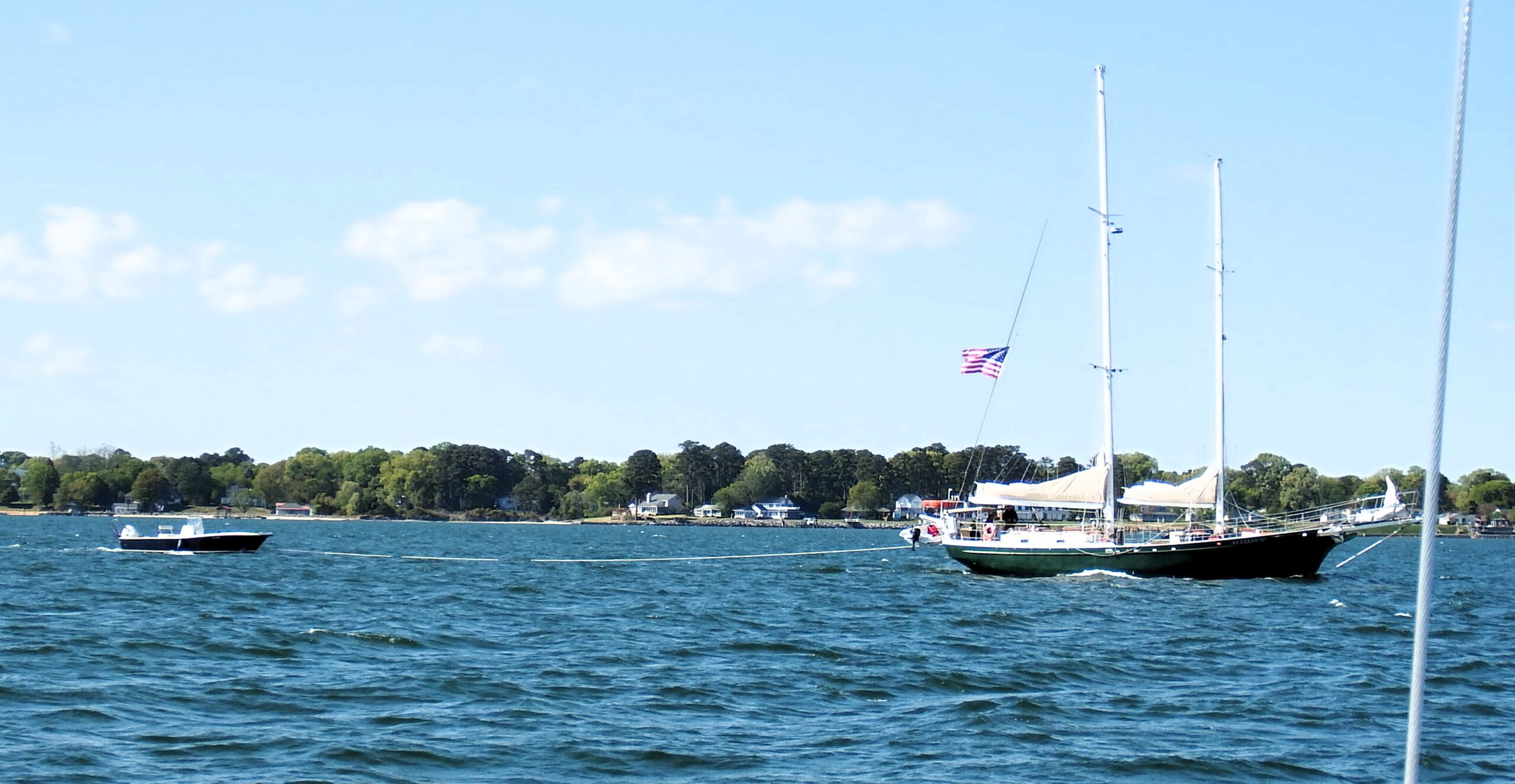
Hampton & the Lower James: Hampton’s marinas and sailing centers sit at the crossroads of the James River and the Chesapeake Bay. Beginners can start in the calm waters near Fort Monroe before venturing into the Bay’s broader reaches.
Deltaville & the Middle Peninsula: Known as the “Boating Capital of the Chesapeake,” Deltaville offers a dense cluster of marinas, boatyards, and sailing schools. The Rappahannock River and Mobjack Bay provide gentle, scenic waters ideal for learning.
What to Expect in Your First Lessons
A good beginner program in Tidewater typically covers:
-
Basic boat handling — steering, tacking, jibing, and understanding how sails work
-
Safety fundamentals — life jackets, right‑of‑way rules, weather awareness
-
 Knots and rigging — cleat hitches, bowlines, and how to prepare a boat for departure
 -
Points of sail — learning how to move efficiently relative to the wind
-
Docking and mooring — essential skills for confidence and independence
Most schools use stable, forgiving keelboats in the 20–30 foot range—large enough to feel secure, small enough to respond clearly to student input. Expect hands‑on learning from the first session; Tidewater instructors know that the best way to learn is to take the helm early and often.
Understanding Tidewater Weather and Conditions
Weather is part of the adventure, and Tidewater’s patterns are beginner‑friendly once you know what to expect.
Spring (March–May) Cool, crisp winds dominate early spring, often 10–18 knots. As temperatures rise, conditions mellow. This is one of the best seasons for learning—steady breezes, low humidity, and excellent visibility.
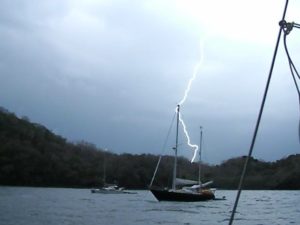
 Summer (June–August) Mornings are calm, ideal for first‑timers. By early afternoon, the Chesapeake Bay sea breeze fills in from the southeast, typically 8–12 knots. Afternoon thunderstorms are common but predictable; instructors monitor radar closely.
Fall (September–November) Perhaps the finest sailing season of all. Warm water, clear skies, and consistent winds make fall perfect for building confidence and logging longer sails.
Winter (December–February) Cold fronts bring stronger, gustier winds—better suited for experienced sailors. Most beginners stick to the warmer months.
Essential Gear for New Sailors
You don’t need to invest heavily at the start. A few basics will keep you comfortable and safe:
-
Coast Guard–approved life jacket (Type III is standard for sailing)
-
Non‑marking shoes with good grip
-
Sun protection — hat, sunglasses, SPF 30+
-
Light layers — Tidewater weather can shift quickly
-
Reusable water bottle — hydration matters more than people expect
As you progress, you may add sailing gloves, foul‑weather gear, or a handheld VHF radio, but none are required for your first lessons.
Beginner‑Friendly Destinations for Your First Independent Sails
 Once you’ve completed a few lessons and feel ready to explore, Tidewater offers countless gentle routes:
-
Yorktown to Sarah Creek — a short, scenic sail with minimal commercial traffic • Mobjack Bay’s East River — quiet, protected, and lined with historic homes • Back River near Poquoson — shallow but calm, ideal for practicing maneuvers • The Ware River — a peaceful stretch perfect for building confidence
These waters reward curiosity without overwhelming new sailors.
Tips for Building Skills Quickly
-
Sail often, even for short sessions. An hour on the water beats a day of reading about sailing.
-
Practice in different wind strengths. Tidewater’s variety helps you grow safely.
-
Learn to read the water. Ripples, color changes, and current lines tell you more than instruments alone.
-
Ask questions. Local sailors love to share knowledge—this region’s maritime culture is generous.
-
Keep a simple logbook. Recording wind, route, and lessons learned accelerates improvement.