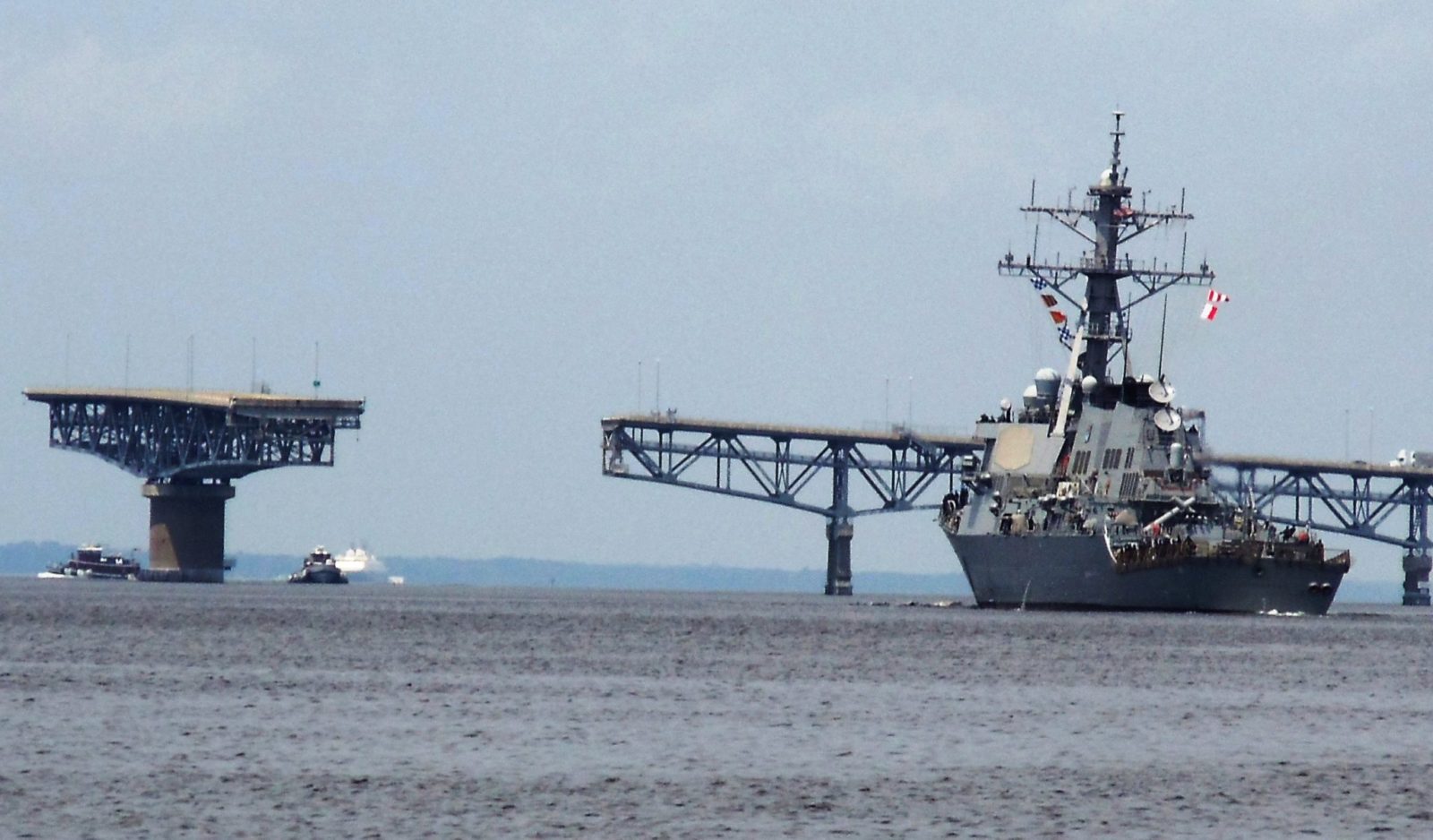
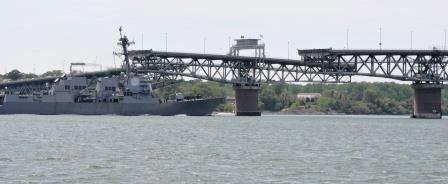
When people go sailing on the York River, they seek a unique and fun adventure that’s also educational. Sometimes they’re surprised to see “C-Span” in the form of the Coleman Bridge swinging open to let US Navy ships pass.
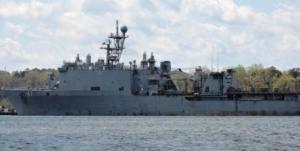
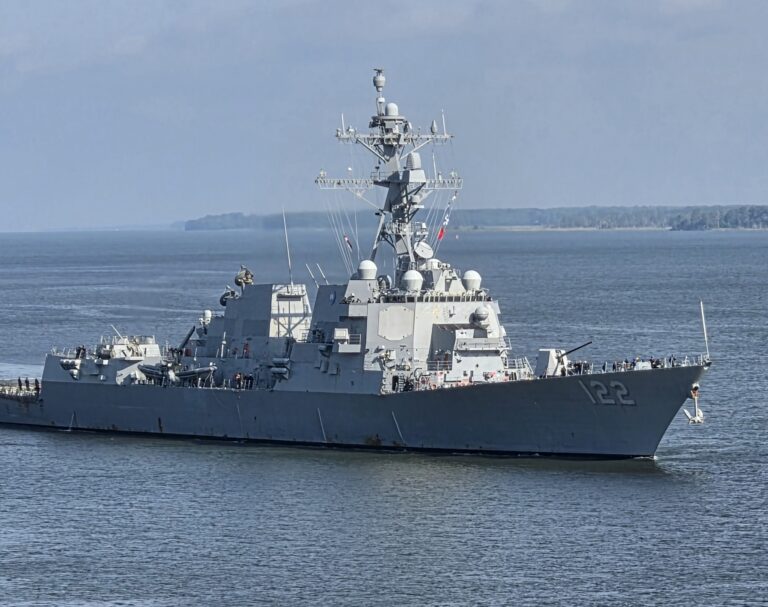
Every ten days or so, and sometimes as frequently as twice a day, cruisers and destroyers cruise between the Fifth Fleet at Norfolk and the Naval Weapons Station at Yorktown. Rarely will a submarine come through. For nearly 100 years, the Weapons Station has been the base for loading ammunition as small as .22 caliber bullets and as large as intercontinental ballistic missiles. The war in Syria has kept the fleet especially busy.
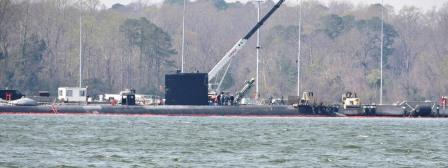
In 1952 the bridge replaced a ferry crossing. It was widened to four lanes around 15 years ago. The original engineers were prescient to ensure the two pedestals of the bridge were built for expansion years later. The wider bridge was built at a shipyard and brought into place on barges. They took the old bridge down and floated the barges in place to gently let the new span to drop into place as the tide dropped.
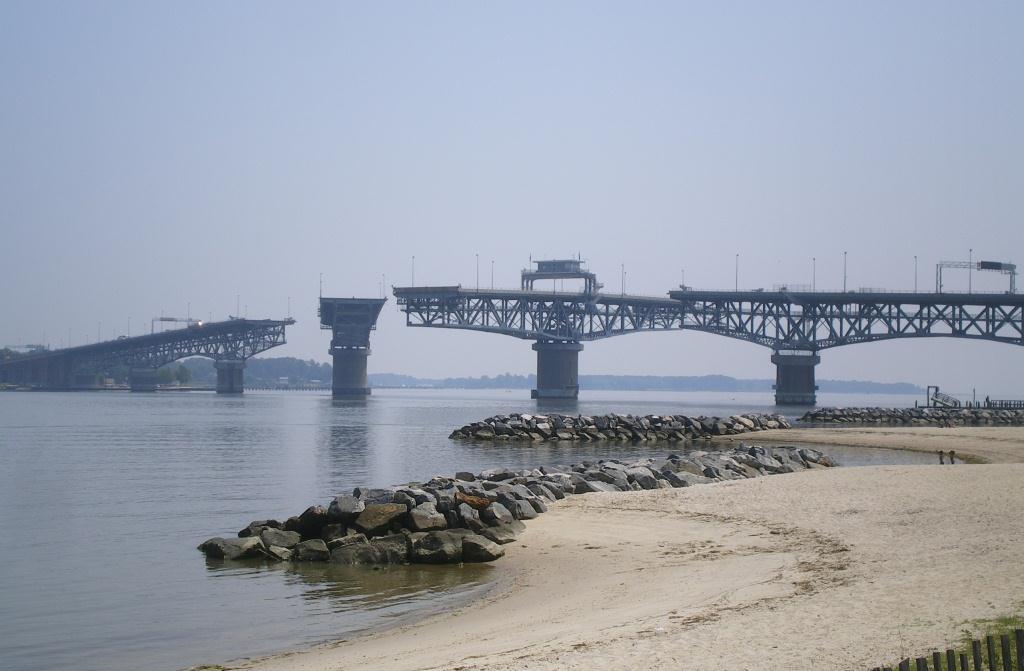
It’s magnificent to stand off to one side in the river and watch a warship cruise up the channel toward Yorktown. As it makes the turn past the US Coast Guard Training Center, you can hear the bells on the bridge signaling the barriers coming down. Traffic stops in both directions and the spans begin to turn slowly from 80 feet up. The main span turns faster and more smoothly than the second span, which looks as if it’s slow to get the idea. Eventually they both turn out 90 degrees to form the most expansive (and most expensive) goal posts in America.
Swing bridges are rare in the United States because they cost more to build than traditional bridges that open vertically. The Navy wasn’t wild after World War II to put any bridge across the York since it would block access to Naval Weapons. The Pentagon insisted that the bridge swing sideways to allow complete access by warships. Had the swing span been built vertically, there was always the risk of snagging of a ship’s bridge with the land bridge. That would have been a spectacular disaster.
The Navy also insisted on two spans to give wider berth for the potential of two ships going through simultaneously. Ironically, the second span was always slow and eventually wouldn’t open at all. That was remedied by the expansion to four lanes when funds became available to get it right. But it’s still slow.
Let’s Go Sail
The season is open for sailing on warm sunny days. Check rates and pick a day for a sailboat charter. See reviews on Trip Advisor from sailors just like you.